
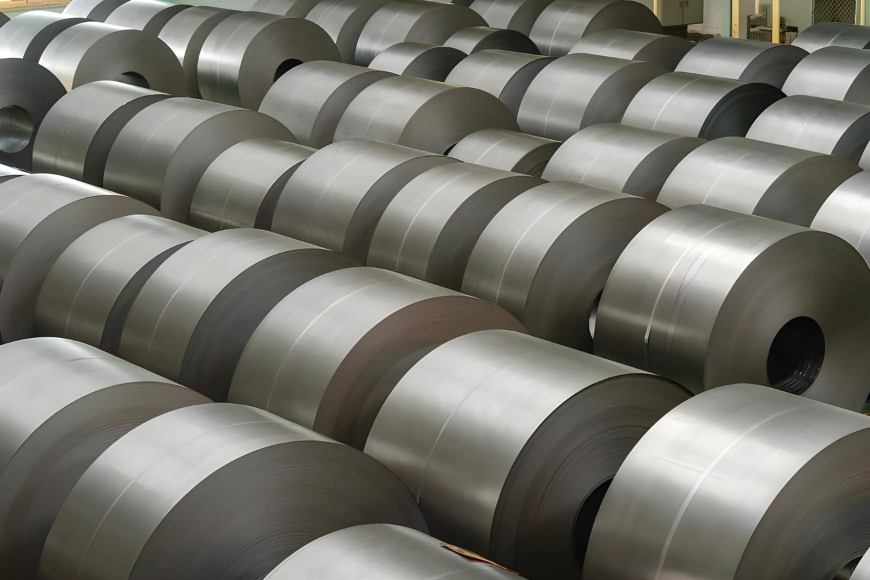
Hot Rolled Coils
In metalworking, rolling is a metal forming process in which metal stock is passed through a pair of rolls. Rolling is classified according to the temperature of the metal rolled. If the temperature of the metal is above its re-crystallization temperature, then the process is termed as hot rolling. If the temperature of the metal is below its re-crystallization temperature, the process is termed as cold rolling. In terms of usage, hot rolling processes more tonnage than any other manufacturing process, and cold rolling processes the most tonnage out of all cold working processes.
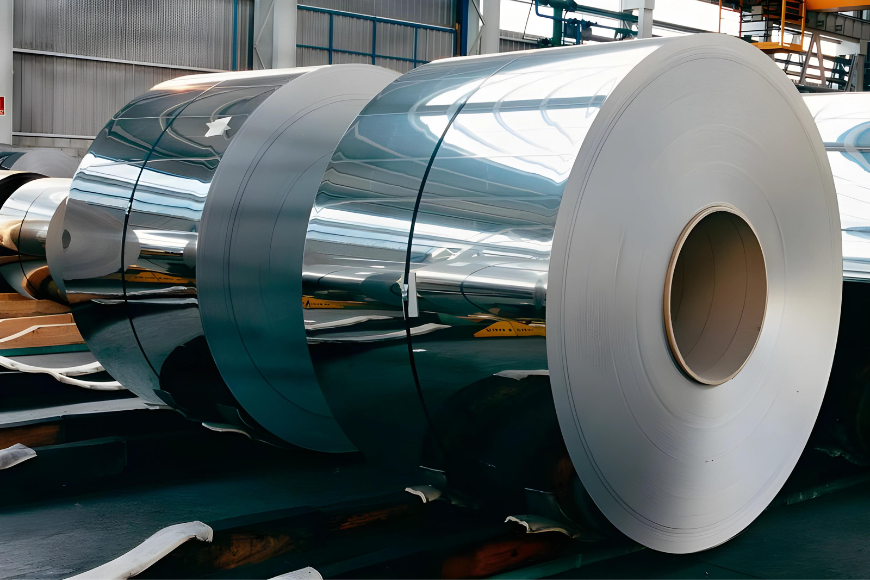
Cold Rolled Coils
Cold-rolled coils refer to flat-rolled steel products that have been processed through cold rolling mills. Cold rolling is a manufacturing process that involves passing a metal sheet or strip between rollers at room temperature to reduce its thickness and improve its surface finish. The cold rolling process typically produces a smoother surface and tighter dimensional tolerances compared to hot-rolled steel.
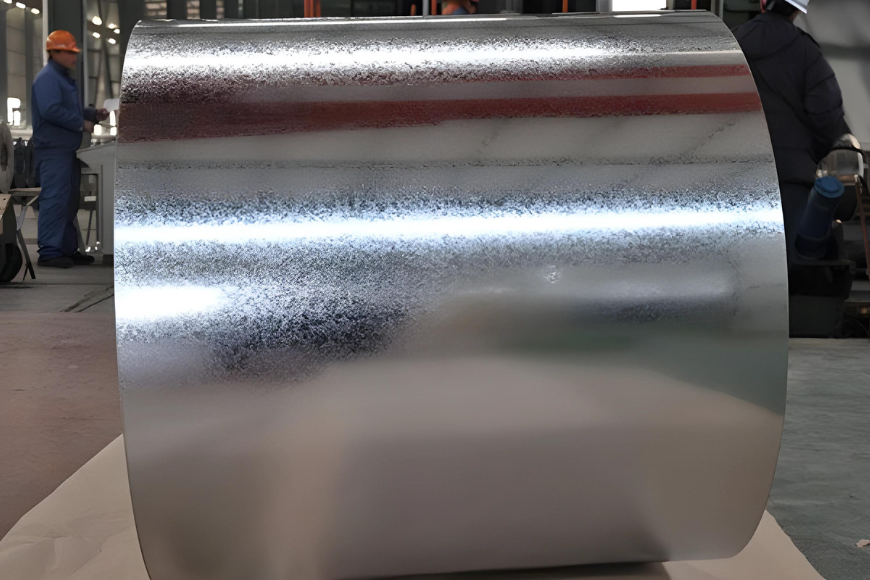
Hot Dip Galvanized
is a form of galvanization. It is the process of coating iron, steel or aluminium with a layer of zinc by immersing the metal in a bath of molten zinc at a temperature of around 860 °F (460 °C). When exposed to the atmosphere, the pure zinc (Zn) reacts with oxygen (O2) to form zinc oxide (ZnO), which further reacts with carbon dioxide (CO2) to form zinc carbonate (ZnCO3), a usually dull grey, fairly strong material that stops further corrosion in many circumstances, protecting the steel below from the elements. Galvanized steel is widely used in applications where corrosion resistance is needed, and can be identified by the crystallization patterning on the surface (often called a "spangle").

Electrogalvanized
is a galvanization process in which a layer of zinc is bonded to steel in order to protect against corrosion. The process involves electroplating, running a current of electricity through a saline/zinc solution with a zinc anode and steel conductor.

Metal Scrap
Metal scrap, also known as scrap metal or recyclable metal, refers to discarded metallic materials that have reached the end of their useful life or are surplus to requirements. This includes various types of ferrous and non-ferrous metals, such as steel, aluminum, copper, brass, and nickel.
Types of Metal Scrap:
Ferrous Scrap: Ferrous scrap consists primarily of iron and steel. It includes scrap from industrial machinery, appliances, vehicles, construction materials, and demolition debris.
Non-Ferrous Scrap: Non-ferrous scrap encompasses metals that do not contain significant amounts of iron, including aluminum, copper, brass, lead, zinc, and stainless steel.
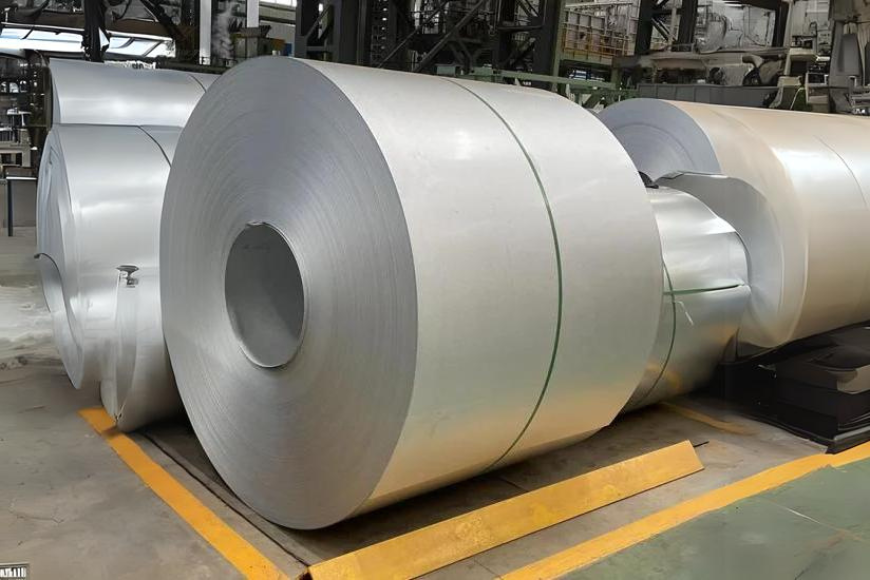
Aluzinc
Aluzinc is a steel substrate coated on both sides with an aluminium-zinc alloy. The composition of the coating is: 55% aluminium, 43.4% zinc and 1.6% silicon. The excellent corrosion resistance of Aluzinc is a result of the properties of the two metallic substances: the barrier effect of the aluminium present on the surface of the coating and the sacrificial protection of zinc.
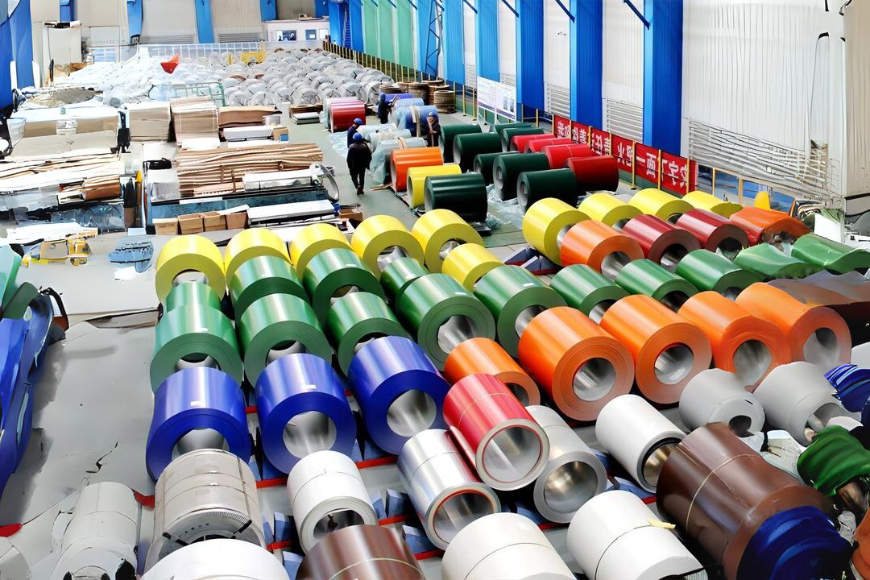
Pre-Painted
Prepainted metal is produced by adding paint or film coating to strip metals, primarily steel and aluminium, on a continuous basis. This process is called coil coating. Coil coating is a highly efficient means of coating strip metals before fabrication of finished components, providing a high quality, uniform and reproducible surface finish
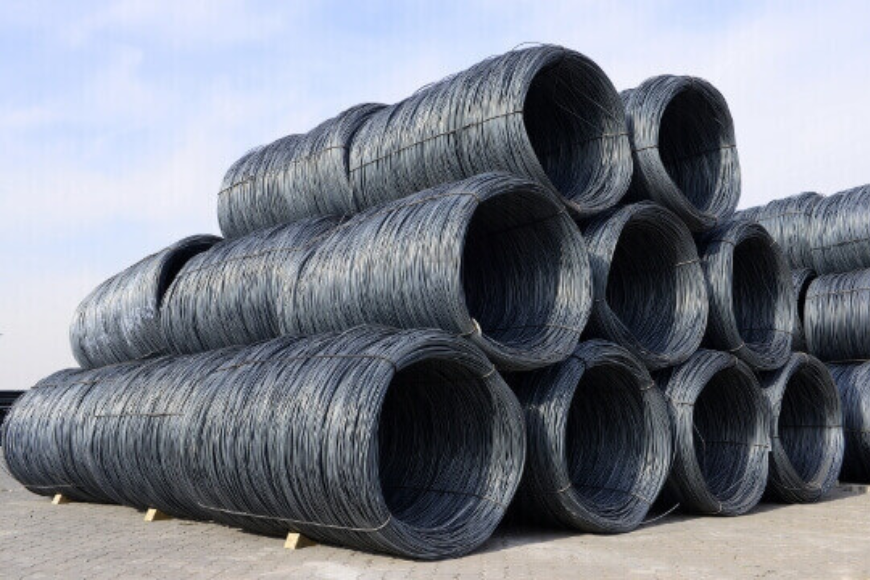
Wire Rod
Wire rod refers to semi-finished steel products that are typically rolled from billets or ingots in a continuous process. These rods have a circular cross-section and are generally characterized by their relatively small diameter compared to other steel products like bars or beams. Wire rod is commonly used as a raw material in various industries for further processing into finished products such as wires, nails, mesh, and reinforcement bars.
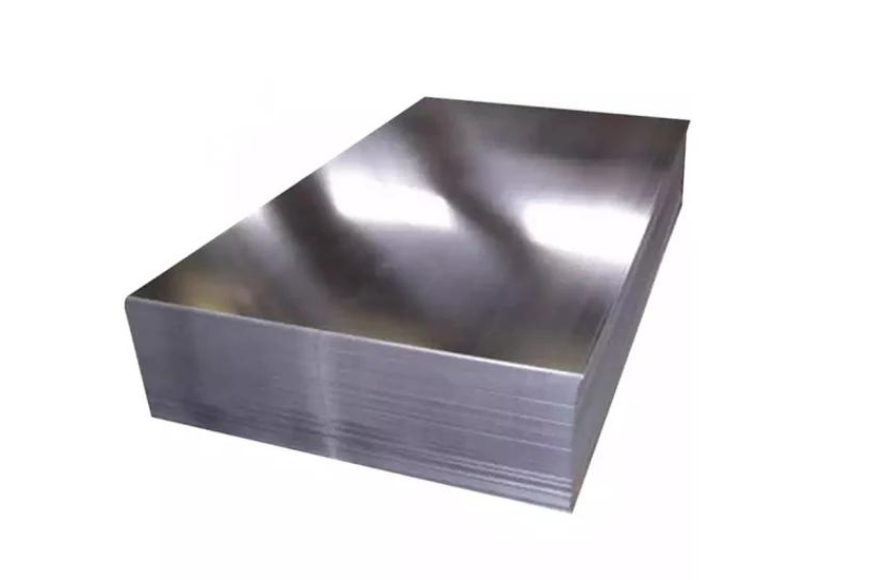
Electrolytic Tin Plates & Black Plates
Tinning is the process of thinly coating sheets of wrought iron or steel with tin, and the resulting product is known as tinplate. It is most often used to prevent rust. While once more widely used, the primary use of tinplate now is the manufacture of tin cans. Formerly, tinplate was used for cheap pots, pans and other holloware. This kind of holloware was also known as tinware and the people who made it were tinplate workers.
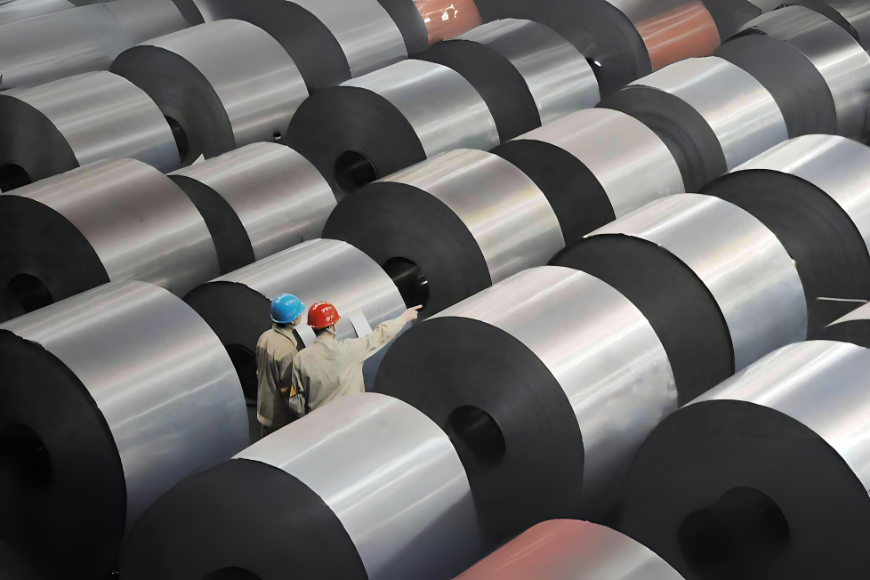
CRNGOC Tin Plates & Black Plates
The material is usually manufactured in the form of cold-rolled strips less than 2 mm thick. These strips are called laminationswhen stacked together to form a core. Once assembled, they form the laminated cores of transformers or the stator and rotorparts of electric motors. Laminations may be cut to their finished shape by a punch and die, or in smaller quantities may be cut by a laser, or by wire erosion.
Polypropylene Resin
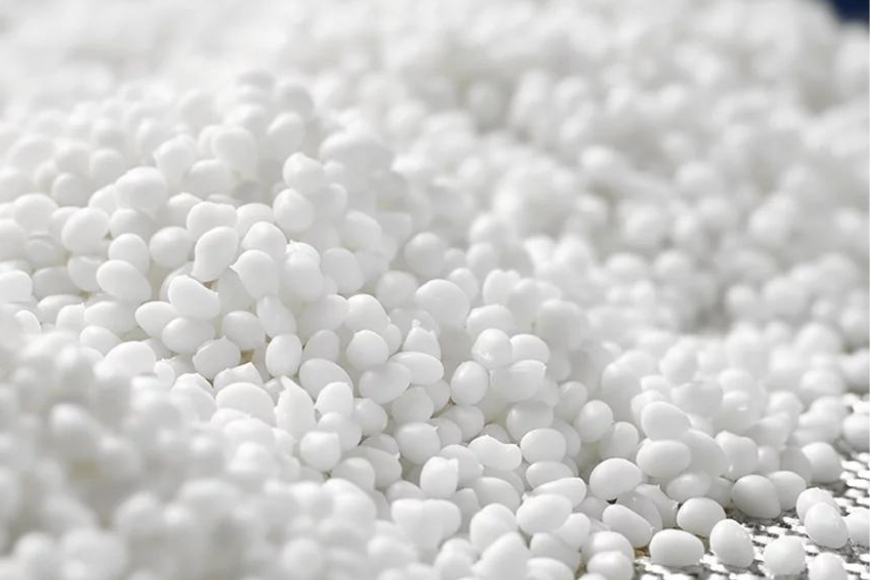
Polypropylene resin is a type of thermoplastic polymer commonly used in a variety of applications due to its versatile properties. It belongs to the polyolefin group and is produced through the polymerization of propylene monomers. Polypropylene resin is a widely used material due to its combination of properties, affordability, and versatility, making it suitable for a broad range of applications across various industries. (1100N and 1102K)

Polyoxymethylene
Polyoxymethylene (POM), also known as polyacetal or acetal, is high-performance engineering thermoplastic with a wide range of applications. It is a member of the family of polymers known as polyoxides and is synthesized by the polymerization of formaldehyde. Polyoxymethylene is valued for its combination of mechanical properties, chemical resistance, and dimensional stability, making it a versatile material for a wide range of demanding applications in various industries. (FM720)

Polycarbonate Resin
Polycarbonate resin is a type of thermoplastic polymer known for its exceptional strength, transparency, and heat resistance. It is produced through the polymerization of bisphenol A (BPA) and phosgene. Polycarbonate is commonly abbreviated as PC. Polycarbonate resin is valued for its combination of strength, transparency, and heat resistance, making it a versatile material for a wide range of applications across various industries.
Methylene Diphenyl Diisocyanate
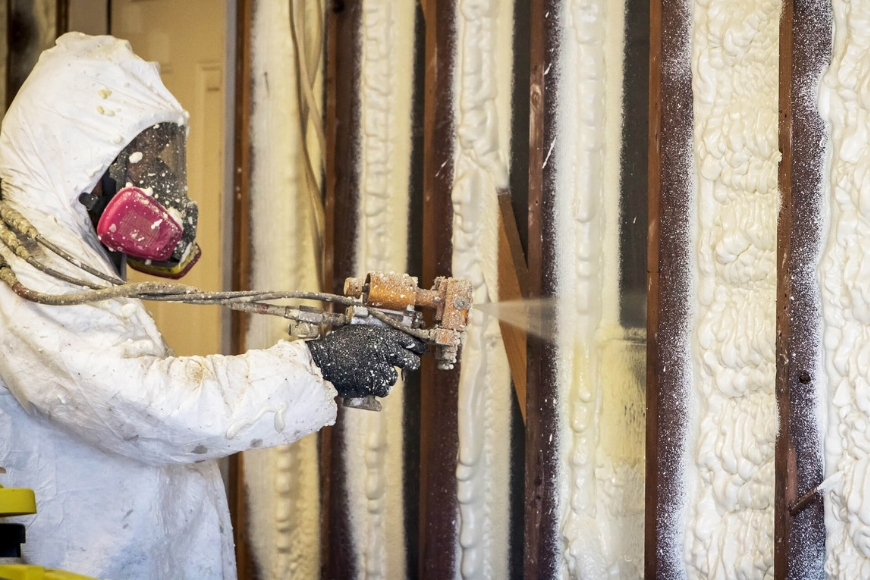
Methylene diphenyl diisocyanate (MDI) is a key chemical compound used in the production of polyurethane foams and other polyurethane products. It belongs to the class of organic compounds known as isocyanates, which are highly reactive chemicals commonly used in the production of various polyurethane materials. MDI is a critical component in the production of polyurethane materials, which find widespread use in industries such as construction, automotive, furniture, and electronics, among others.

Polythylene
Polyethylene (PE) is one of the most widely used and versatile thermoplastic polymers. It is produced by polymerizing ethylene monomers, resulting in a long-chain hydrocarbon structure. Polyethylene is classified into several types based on its molecular structure and density, including low-density polyethylene (LDPE) and high-density polyethylene (HDPE). Polyethylene is valued for its versatility, durability, and cost-effectiveness, making it one of the most widely used plastics in the world today. Its various grades and formulations cater to a broad spectrum of applications across diverse industries.